블로그 이미지
Morning lark

카테고리

분류 전체보기 (2262)
Fuel Cell (898)
New Energy (1211)
Energy Storage (6)
New Biz Item (2)
Total
Today
Yesterday

The International Maritime Organisation (IMO) has delayed a pivotal vote on its proposed Net Zero framework by a year after countries clashed over a proposed global carbon price on shipping emissions, which would directly affect hydrogen and other alternative fuels.


The vote on the proposed Net Zero Framework (NZF) was tabled for Friday (17 October), but was pushed back 12 months after a motion was put forward by Singapore and Saudi Arabia.


It came after the countries, as well the US and Liberia, argued more time was needed to reach a consensus.


The US and Saudi Arabia, in particular, have opposed the idea of a global carbon levy, describing it as an unfair green tax. President Donald Trump has called it a “global green new scam tax on shipping.”


President Trump wrote on Truth Social, “We will not tolerate increased prices on American customers or the creation of a green new scam bureaucracy to spend your money on their green dreams.”


In total, 57 countries voted in favour of the delay, while 49 opposed, with 21 abstentions.


The carbon levy forms a central part of the IMO’s proposed Net-Zero Framework (NZF), applying to ships above 5,000 tonnes from 2028, in a sector that accounts for nearly 3% of global CO2 emissions.


The measure is designed to impose a fee based on the amount of greenhouse gases emitted and to reward vessels that use cleaner fuels by reducing or exempting their payments.


First approved in draft form in April 2025, revenues from the levy would feed an IMO Net Zero Fund to support green fuels, infrastructure, and equitable transition, particularly in developing nations.

The EU, UK, and a bloc of Pacific Island states have backed the measure, calling it a vital step toward decarbonising shipping and a clear market signal for low-carbon fuel investment.


However, some opponents suggest the compliance costs could fall disproportionately on smaller flag states, shipping operators, and consumers.


They’ve also warned that the new levy might collide with or undermine existing regional schemes like the EU’s FuelEU Maritime and Emissions Trading System.


A successful vote would represent a breakthrough for hydrogen producers and maritime fuel developers, as a global carbon levy would raise the operating cost of traditional marine fuels.


It could help de-risk early hydrogen and derivative projects by providing access to grant funding and demand certainty.


Source: H2VIEWS
Posted by Morning lark
, |

ARENA – Renewable hydrogen: Lessons learned and the importance of industry support


Over the past 8 years, ARENA has invested more than $370 million in 65 renewable hydrogen projects, as well as two projects under the first Hydrogen Headstart funding round. From early-stage research through to first-of-a-kind deployments, we’ve seen the industry evolve and have gathered valuable insights along the way.


What we’ve learned so far


The promise of renewable hydrogen is significant, but so are the hurdles. At present, renewable hydrogen is not yet cost-competitive with fossil fuels. The cost of electrolysers and renewable electricity remains high, and forecasts suggest hydrogen may reach $3-4/kg by 2050, still above the approximate $2 per kilogram needed to match fossil fuels. Technical challenges, such as equipment not suited to Australian standards and a shortage of local skills, have also slowed progress.


We’ve also learned that hydrogen’s greatest value is likely to be in specific applications. Over time, ARENA has sharpened its focus to sectors where hydrogen, and early stage funding, can make the most impact: green ammonia, iron and steel, alumina, and long-distance heavy transport like shipping and aviation. These are areas where electrification is difficult, and hydrogen’s unique properties – such as high energy density and long-term storage – can offer real benefits.


We’ve also learned that hydrogen’s greatest value is likely to be in specific applications. Over time, ARENA has sharpened its focus to sectors where hydrogen, and early stage funding, can make the most impact: green ammonia, iron and steel, alumina, and long-distance heavy transport like shipping and aviation. These are areas where electrification is difficult, and hydrogen’s unique properties – such as high energy density and long-term storage – can offer real benefits.


Hydrogen Headstart Round 2 is part of ARENA’s broader commitment to support the commercialisation of renewable hydrogen, as outlined in our latest Investment Plan.


Amongst a number of strategic priorities, we’re also working to unlock ultra low-cost solar, support heavy industry decarbonisation, and decarbonise transport, all as part of Australia’s path to a lower emissions future.


We know that there are many levers to be pulled across sectors and technologies that ultimately contribute to not only achieving our net zero goals, but reducing costs and building efficiencies for all renewable energies.


Looking ahead

Australia is well placed to play a leading role in renewable hydrogen, thanks to our world-class solar and wind resources, available land, and strong trade relationships. But the future of hydrogen will depend on continued innovation, collaboration, and support across the whole supply chain. ARENA is helping Australia take the next step, ensuring renewable hydrogen can reach its potential in the sectors where it’s needed most.


Source:   Hydrogencentral

Posted by Morning lark
, |

Purine Molecules Enhance Hydrogen Production from Water by 4x, Cutting Platinum Costs

Tokyo, Japan: A research breakthrough from Chiba University offers a major stride toward affordable large-scale hydrogen production from water.

Scientists have discovered that modifying platinum cathodes with naturally occurring purine bases – such as caffeine and purine – can increase the hydrogen evolution reaction (HER) activity by up to four times, significantly cutting platinum usage in electrolyzers.

Purine Modification Enhances HER for Cost-Effective Hydrogen Production from Water

Hydrogen production from water, though simple in principle, faces economic challenges due to the high cost of electrolyzers, priced at $2,000–$2,600 per kilowatt in 2024.

To make green hydrogen viable, the U.S. Department of Energy targets cost reductions to $2/kg by 2025 and $1/kg by 2030. The latest findings from Chiba University researchers could help achieve these benchmarks by improving the efficiency of electrolysis and reducing platinum dependence.

The study, led by Dr Syunnosuke Tanaka and Professor Masashi Nakamura from the Graduate School of Engineering, Chiba University, found that adding purine bases – organic molecules found in DNA and RNA – can enhance HER activity by 4.2 times.

This advancement in hydrogen production from water reduces the quantity of platinum needed, lowering the overall system cost. Their research was published online on September 4, 2025, and in Volume 172 of the International Journal of Hydrogen Energy on September 26, 2025.

Prof. Nakamura, said:

”Reducing platinum loading is an essential step toward practical, cost-effective catalysts”

Molecular Insights into Enhanced Hydrogen Evolution Reaction

During electrolysis, hydrogen ions (H⁺) are adsorbed onto catalysts before forming hydrogen gas. In alkaline media, catalysts must first break the OH bond of water – a step that increases energy consumption. The team found that caffeine and other purine derivatives promote hydrogen adsorption, accelerating the reaction even under alkaline conditions.

Among the compounds tested – caffeine, xanthine, purine, theophylline, and theobromine—purine and theophylline delivered the strongest performance, improving HER activity by 4.2 and 5 times, respectively.

Structural analysis revealed that purine molecules create a cage-like hydrogen-bond network with surrounding water, facilitating OH⁻ removal and reducing the energy barrier for HER.

When applied to platinum/carbon catalysts, purine modification improved HER activity by 3.2 times in alkaline lithium hydroxide solutions. This approach offers a scalable and eco-friendly pathway to lower hydrogen production costs using naturally abundant materials.

Prof. Nakamura, added:

“Our catalyst innovation contributes to cost reduction and improved energy conversion efficiency in hydrogen production systems,”

The discovery marks a crucial advancement toward sustainable and economically viable hydrogen production from water, aligning with global decarbonization goals.

READ the latest news shaping the hydrogen market at Hydrogen Central

Purine Molecules Enhance Hydrogen Production from Water by 4x, Cutting Platinum Costs,


Purine Molecules Enhance Hydrogen Production from Water by 4x, Cutting Platinum Costs - Hydrogen Central


Purine Molecules Enhance Hydrogen Production from Water by 4x, Cutting Platinum Costs - Hydrogen Central

Purine Molecules Enhance Hydrogen Production from Water by 4x, Cutting Platinum Costs Tokyo, Japan: A research breakthrough from Chiba

hydrogen-central.com


Posted by Morning lark
, |

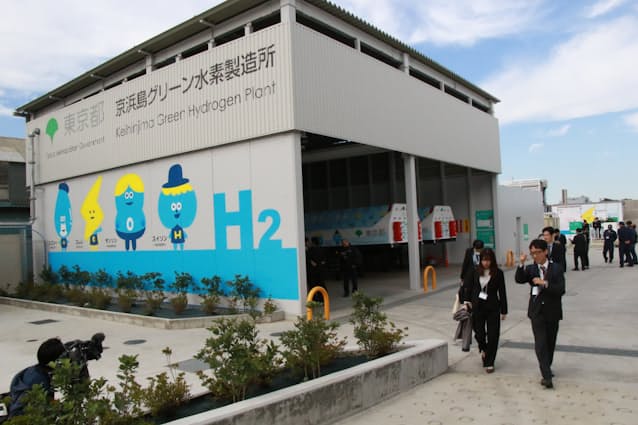
東京都が山梨県と共同研究開発を進めていたグリーン水素の大規模製造拠点の第1期工事が完了し、東京都大田区で開所式を23日に開いた。水素は同県の水力発電所の電気を使って製造し、東京ビッグサイトなどの都有施設で使う。脱炭素社会の実現に向けて水素エネルギーの活用を進める。


新施設の名称は「京浜島グリーン水素製造所」。式典で小池百合子都知事は「脱炭素とエネルギーの安定確保を両立する都市モデルを作っていく。その切り札がグリーン水素だ」と力を込めた。山梨県の長崎幸太郎知事も「都と県が連携し世界のトップランナーとして国際社会をけん引していけると確信する」とあいさつした。

グリーン水素は製造の過程で再生可能エネルギー由来の電力を利用する。製造時に二酸化炭素(CO2)が排出されず環境負荷が軽い。今回稼働した施設では、東京電力を通じ山梨県の水力発電所の電気を購入し水素を生産する。原料となる水は都水道局から供給を受ける。

第1期工事では500キロワット(kW)級の水電解装置1基を設置した。1時間あたり120立方メートル、年20トンを生産する。手始めに東京ビッグサイトやお台場海浜公園などの都有施設で利用する。

従来型の水素製造設備より床面積を3分の2に縮小した。2027年度に装置を増設し製造能力を3倍にする。今後、森ケ崎水再生センター(大田区)で下水汚泥由来のCO2とあわせて合成メタンを製造するほか、化粧品の原料としての利用や都内の水素ステーションへの供給なども検討するという。


グリーン水素、東京初の大規模製造拠点 都が大田区で開所式 - 日本経済新聞


グリーン水素、東京初の大規模製造拠点 都が大田区で開所式 - 日本経済新聞

東京都が山梨県と共同研究開発を進めていたグリーン水素の大規模製造拠点の第1期工事が完了し、東京都大田区で開所式を23日に開いた。水素は同県の水力発電所の電気を使って製造し、東

www.nikkei.com


Posted by Morning lark
, |

旭化成が、長年培ってきた食塩電解技術をベースに、今後立ち上がりが見込まれるクリーン水素製造用の水電解装置市場でキープレイヤーを目指す。アルカリ水電解システムとイオン交換膜法食塩電解プロセスの重要部材を併産する新工場の建設計画を正式決定した。

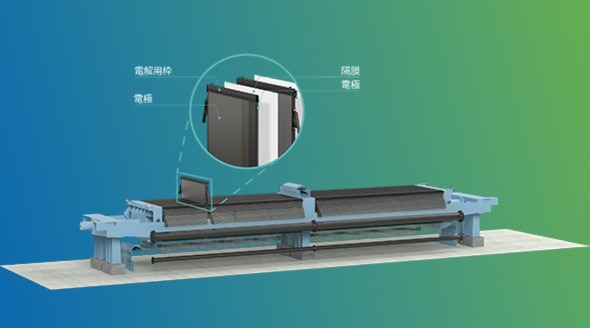
旭化成は2025年10月23日、川崎製造所(神奈川県川崎市)において、クリーン水素の製造に用いるアルカリ水電解システムと塩素/苛性ソーダの生産に用いるイオン交換膜法食塩電解プロセスに対応した電解用枠と電解用膜を併産できる新工場の建設計画を正式に決定したと発表した。

 クリーン水素とは、再生可能エネルギーを活用し、水の電気分解で製造される「グリーン水素」をはじめ、CO2排出量の削減に貢献する低炭素エネルギー由来の水素の総称だ。

 今回の計画は、2024年12月18日に経済産業省の「GX(グリーントランスフォーメーション)サプライチェーン構築支援事業」に採択されており、クリーン水素製造用水電解装置の国内製造サプライチェーンの先行構築を後押しする枠組みを活用している。

2028年度に稼働

 旭化成グループは「中期経営計画 2027 ~Trailblaze Together~」において、主要事業を「重点成長」「戦略的育成」「収益基盤維持/拡大」「収益改善/事業モデル転換」という位置付けにそれぞれ分類し、今後の資源配分方針を明確にしている。水電解/食塩電解事業が含まれる「エナジー&インフラ」事業は、「戦略的育成」事業と位置付けられており、将来の成長ドライバーとして積極的に投資を行っていく方針だ。

 旭化成は、1975年からイオン交換膜法食塩電解事業を手掛けており、膜、電解槽、電極、運転技術、モニタリングシステムに至るまで、食塩電解に関する幅広い技術を有しており、これらの全てをワンストップで供給できるメーカーだ。イオン交換膜法食塩電解事業は収益を支える重要な事業と位置付けられており、今後も国内外の需要増大を背景に継続的な成長が見込まれる。

水素製造に用いるアルカリ水電解装置の全体像[クリックで拡大] 出所:旭化成
 

 食塩電解で培った技術を基盤に、今後立ち上がりが見込まれるクリーン水素製造用の水電解装置市場でキープレイヤーとなることを目指している。その目標に向け、アルカリ水電解システムの大型化/量産化を見据えた技術検証と事業性評価を2010年から継続的に進めており、2025年度からは本格的に事業化フェーズへと移行している。

 このような背景から、新工場はクリーン水素製造用とともにイオン交換膜法食塩電解プロセス用の電解用枠/電解用膜を併産できる拠点として建設される。新工場は、電解用枠および電解用膜のそれぞれで年間2GW超の生産能力を備え、2028年度の完成および稼働を予定している。

 これにより、既存の食塩電解プロセス向け設備と合わせて、年間3GW超の生産能力を構築する。投資額は、投資額は約310億円で、そのうち最大3分の1は「GXサプライチェーン構築支援事業」補助金となる。なお、同計画は設計内容の精査を継続しているため、上記投資額は変動の可能性がある。

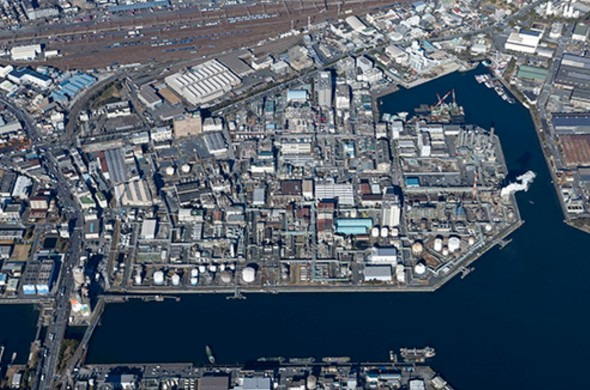
 新工場を設立する川崎製造所は、2025年5月にメタクリル酸メチル(MMA)モノマーなどの事業撤退を発表するなど、経営資源の再配分による構造転換を行っている。今後は、既存事業の高付加価値化を推進するとともに、水電解/食塩電解事業の重要拠点として経営資源を集中し、食塩電解と水電解を両輪とすることで、柔軟かつ強靭な供給体制の構築と資本効率の向上を図る考えだ。

川崎製造所の航空写真[クリックで拡大] 出所:旭化成

旭化成が年間3GWの重要部材生産能力を構築、クリーン水素市場へ展開注力:工場ニュース - MONOist


旭化成が年間3GWの重要部材生産能力を構築、クリーン水素市場へ展開注力

旭化成が、長年培ってきた食塩電解技術をベースに、今後立ち上がりが見込まれるクリーン水素製造用の水電解装置市場でキープレイヤーを目指す。アルカリ水電解システムとイオン交換膜

monoist.itmedia.co.jp


Posted by Morning lark
, |